
Action Plan
For Communities in Bear Country
Bears instinctively avoid people, but accessible garbage, backyard bird feeders, unprotected small livestock and other attractants can provide a hungry bear with more calories in just a few minutes than a day of foraging in the wild.
Once bears learn to rely on neighborhoods and communities for easy, high-calorie meals, human-bear interactions and conflicts inevitably follow.
Good News: Implementing two proven, long-term solutions will help protect people, property and bears.
1. Switch To Bear-Resistant Trash Containers
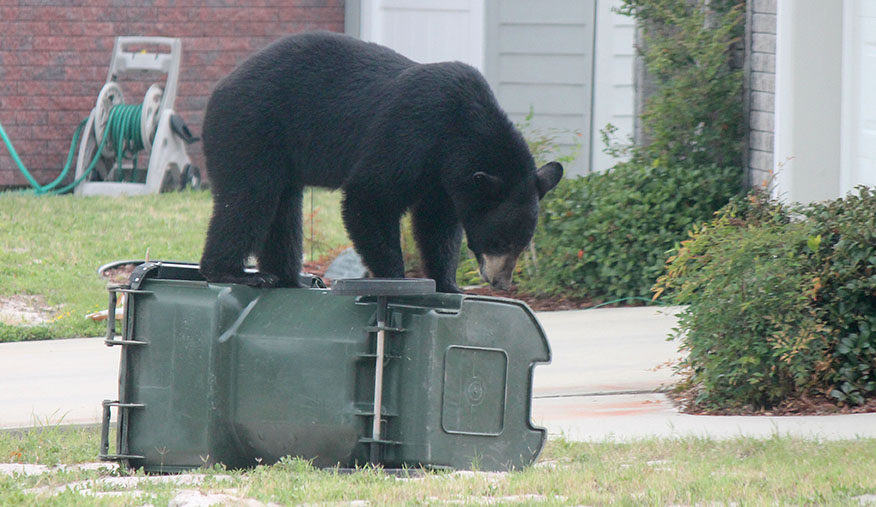
From residential polycarts to large commercial dumpsters, numerous companies produce containers built, tested and approved to resist the most persistent bears.
Studies show that requiring community-wide use of bear-resistant containers (BRCs) is 100% successful at keeping bears out of the garbage, helps keep bears out of communities altogether, reduces property damage and all types of negative interactions, improves community morale and makes residents feel safer.
How to Make Garbage Contracts BearWise
Waste management contracts won’t include BRCs unless specified by HOA boards or town/county officials. Ask for a copy of the current contract.
Questions to Ask Decision Makers – Who is the current provider and when does their contract expire? Can the contract be amended mid-term to specify BRCs? Are there any additional costs? Who decides what companies are asked to submit proposals?
Need Help Funding the Switch? Cost-sharing programs and/or grants can help cover initial costs and additional service fees for residents and businesses. HOAs, counties, communities, state agencies and wildlife advocacy groups may be able to help out. The waste services provider may be willing to spread costs over the life of the contract.
2. Implement Effective Ordinances / Bylaws
Garbage isn’t the only thing that attracts bears. Creating ordinances and bylaws that address community issues will set standards and make it easier for communities and agencies to make sure everyone does their part to protect people, property and bears.
Most towns / counties can enact ordinances anytime; annual changes are common. HOAs have a process for changing or passing bylaws. Bring leaders a well-crafted sample and show how it will help save money, reduce conflicts and property damage, and make the community safer.
How to Get Started
Creating a BearWise Neighborhood

Investigate
Are Bears Getting Into Garbage & Other “Food”? Look for garbage, birdfeeders, pet food, greasy barbecue grills and other things that attract bears craving calories.
Are Local Authorities Getting Calls? Consult with fish and wildlife biologists, conservation officers or law enforcement officers to assess bear issues in your community.
Organize & Motivate
Get the Community Involved
Organize a community meeting and ask your state wildlife agency to do a presentation and answer questions. Ask residents to share stories and photos that highlight the issues. Identify what’s attracting bears to your community, establish goals and brainstorm solutions. Invite residents and businesses to join in.

Take Action
Tap into BearWise Resources
Send BearWise articles to local newspapers and community newsletters to help spread the word. Use social media to connect with neighbors and businesses.
Hand out free BearWise materials at community events and post on social media and local bulletin boards to show that proven BearWise solutions are known and implementing them is the right thing to do for people and bears.
Start a petition to show leaders that residents care, want them to take action and will support solutions.
Work with Leaders and Elected Officials
Make your voices heard by attending town council and HOA meetings, talking with leaders and connecting with them on social media. Review existing bylaws, ordinances and contracts (your state wildlife agency may be able to provide guidance on effective ways to change them or create new ones).
Lasting change takes time. Continue to be proactive and focus on prevention.
Examples of Neighborly Coexistence with Black Bears
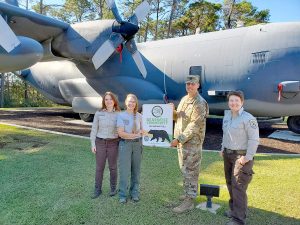 Communities throughout North America apply BearWise practices. The result? Fewer bear conflicts.
Florida: Hurlburt Air Field in Okaloosa County lessened human-bear conflicts by 70%. They are now a recognized BearWise Community.
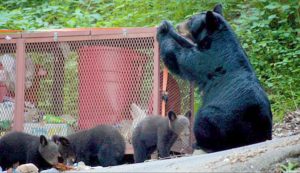
North Carolina: Black Mountain Neighborhood is a group of about 35 homes in the downtown area. This community is unique because it is without a unifying structure (e.g., homeowners association, road maintenance association, government structures); residents decided to become BearWise after they experienced bears getting into garbage and displaying habituated behaviors in the downtown area. Residents have agreed to secure garbage on non-collection days in their garages and only place garbage carts at the curb on the morning of collection.
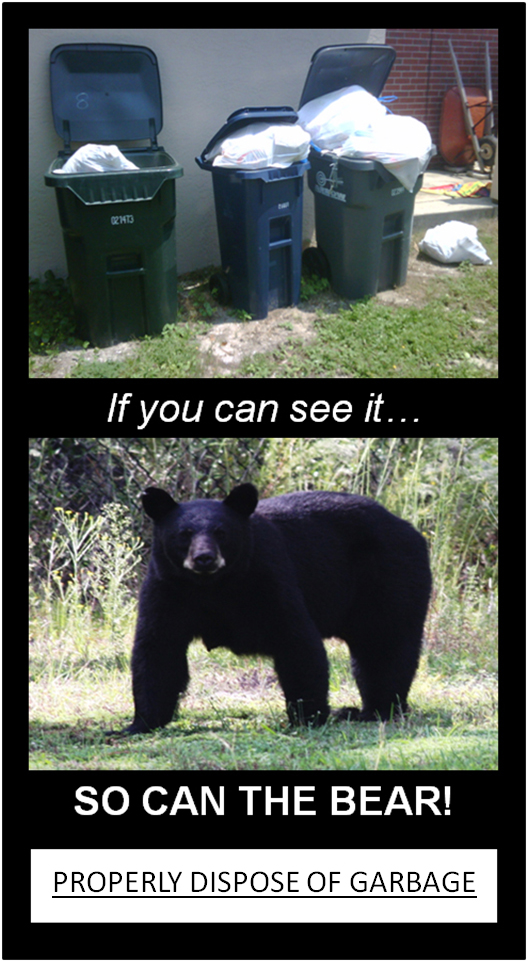
Why be BearWise?
First and foremost, BearWise communities reduce human-bear conflicts. BearWise communities are not only safer for people and bears, they also may avoid liability if a person is injured by a bear.
More Resources
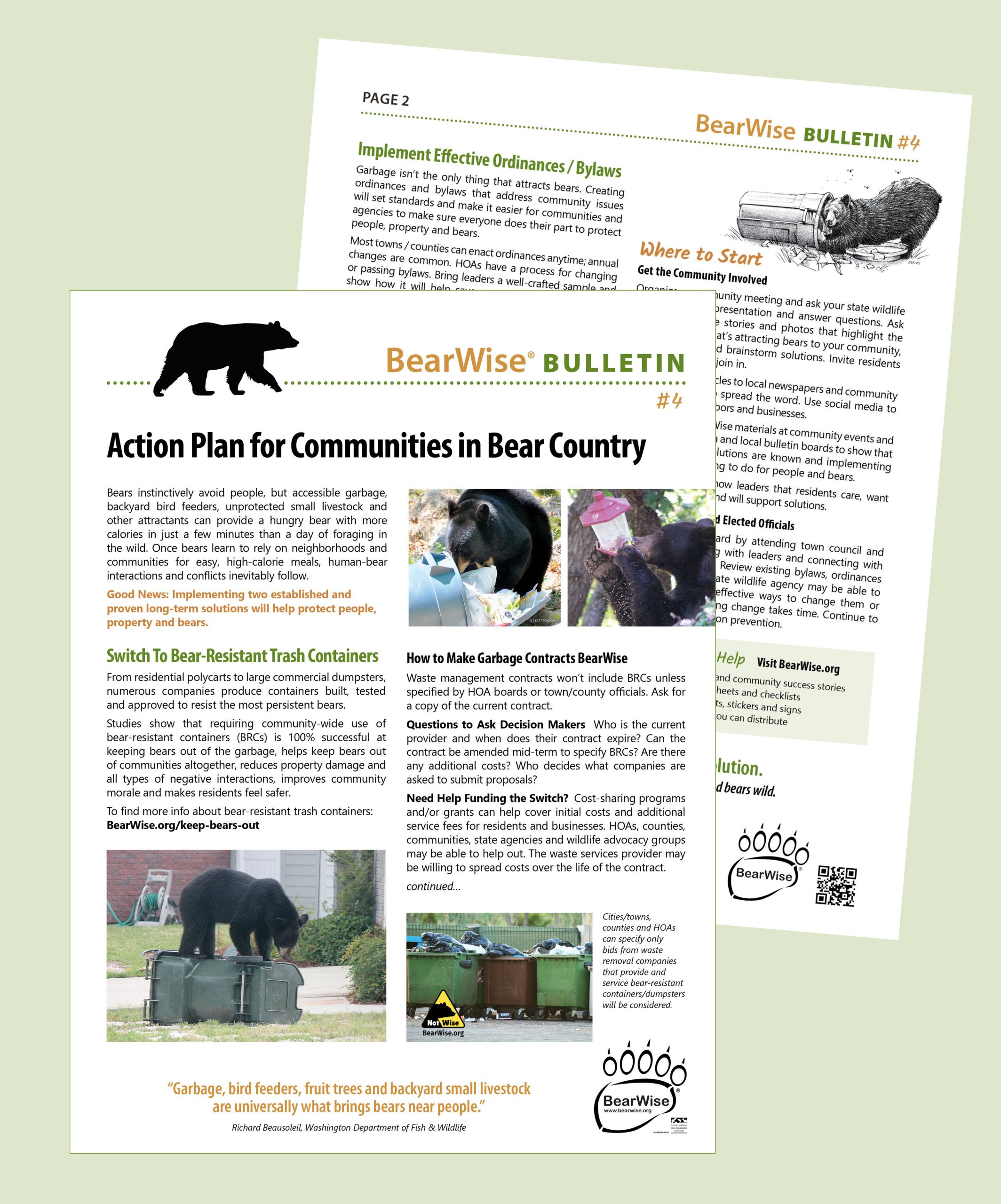
• “Attract Birds, Not Bears” bulletin
• “Electric Fences Keep Bear Out” bulletin
• “How BearWise Are You?” checklist
• “What Attracts Bears” door hanger
PLUS MORE
Living With Bears Handbook, by Linda Masterson
Earning BearWise Recognition
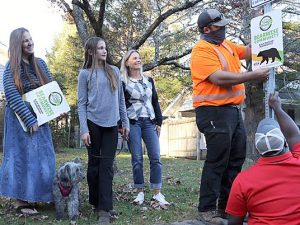
Black Mountain neighborhood in North Carolina (photo: Fred McCormick)
Many studies prove what we all know to be true: working together towards a common goal produces better results and is much more satisfying than going it alone.
Some states, including Florida, North Carolina and Tennessee, currently offer programs that recognize many kinds of groups (Community, Business, Campus, Recreation Area) that are taking the right steps to follow the BearWise Basics, reduce and prevent conflicts and encourage people to live responsibly with black bears. These recognition programs are developed and administered at the state level. Check with your BearWise state wildlife agency for more information about available programs.

“When an entire neighborhood comes together to take responsibility to be BearWise, they are taking the most effective step to reduce community-wide conflicts.”