Keep Bears Out
Livestock, Bees, Crops, Orchards
Keep Bears Out of the Bees, Please
The Attraction
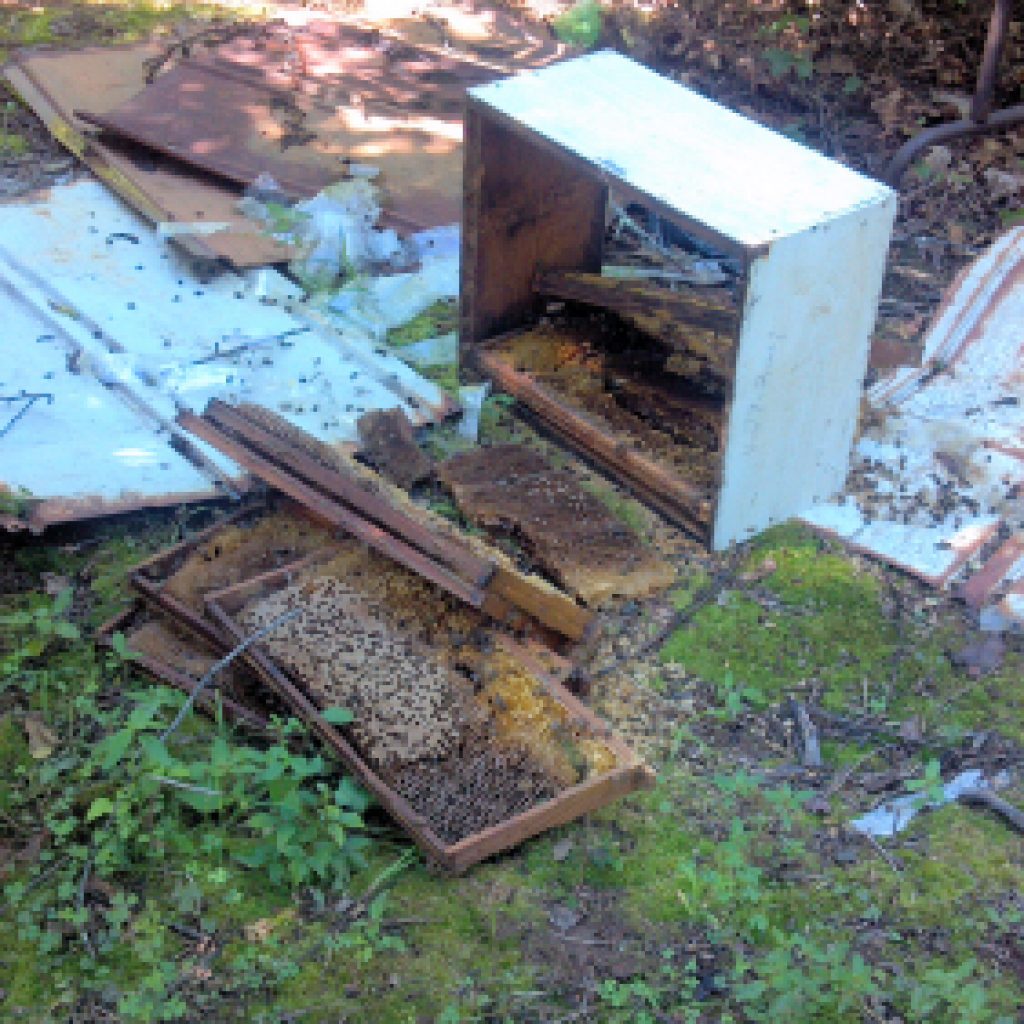
Some bears are so fond of larval bees and honey, that they will seek out hives in their home range.
Prevention
Locate beehives as far as possible from forest and brush that provide bears cover and travel routes. If bear activity is detected nearby, move apiaries to new locations.
Harvest honey crops as soon as possible after the spring, summer and fall nectar flows. Bare hives reduce their appeal to foraging bears.
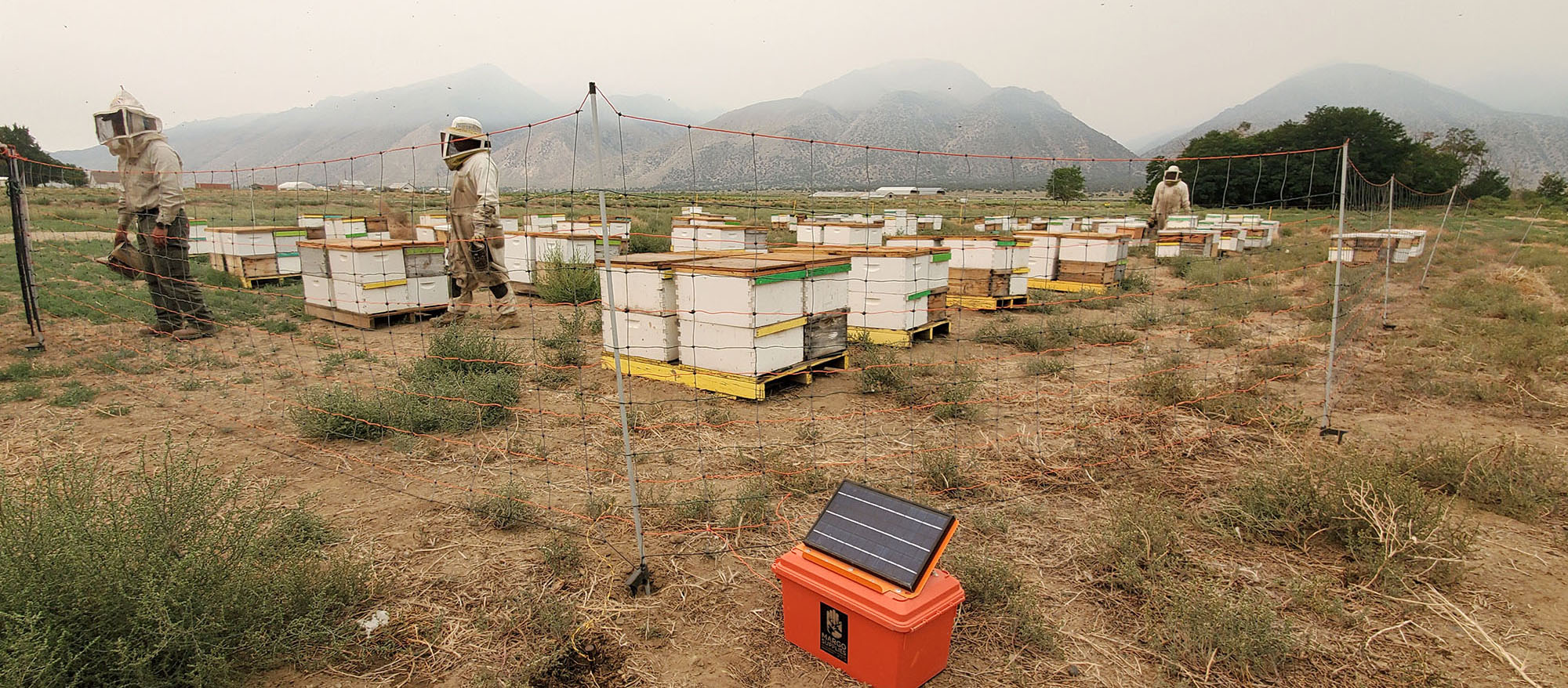
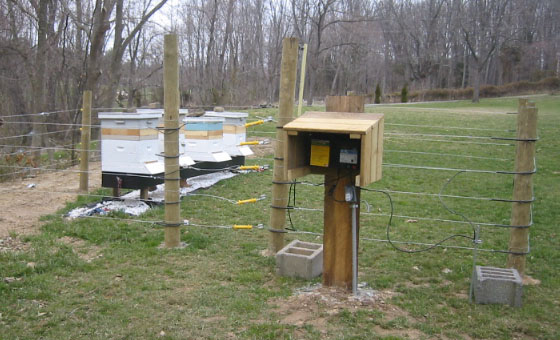
Install and maintain electric fences. Consolidate hives and then fence them in to form the smallest apiary that can be practically managed. The more scattered the hives are in large areas, the more difficult it is for beekeepers to protect them. Read more about electric fencing.
Deterrents
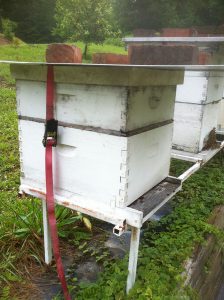
Tie Down Your Beehives – The tie-down method of securing beehives has been highly successful in remote areas and in neighborhoods with high black bear traffic. Heavy-duty cargo straps with metal fasteners are best.
Download the “Tied-Down Bee Hives” do-it-yourself flyer for more information.
Secure Your Livestock & Their Feed
The Attraction
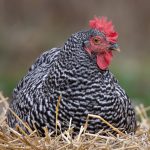
Chickens and rabbits, and other small livestock can be big attractants for bears. If you want fresh eggs and have backyard chickens, you may have visiting bears and need to take precautions.
Most large livestock are not vulnerable to black bears. However newborn or baby animals can be at risk.
From chicken scratch to grain, all livestock feed can attract bears. Store feed in bear-resistant containers or inside a sturdy, locked building (not the coop).
Prevention
Livestock feed and pet food should always be stored away from the animals in a locked, bear-resistant shed, or in a bear-resistant container.
Place livestock pens at least 50 yards away from wooded areas and other cover that could protect bears from view. Confine livestock in buildings and pens, especially during lambing or calving seasons.
Consider bringing livestock, particularly smaller animals, inside at night.
Remove carcasses from the site and dispose of them by rendering or deep burial.
Deterrents
Deterrents for large and small livestock includes electric fencing, guard animals and scare devices. Visit the Keep Bears Out page for detailed information.
Standard chicken and rabbit coop designs aren’t strong enough to keep out a determined bear. Electric fencing works best to keep out bears and prevent structural damage.
For larger livestock, secure them in a sturdy pen or pasture with electric fencing.
If the animals are pregnant or have little ones, keep them in a bear-resistant building, or within an electric fence until they can fend for themselves.
Crop Sense in Bear Country
The Attraction
Hungry bears find fruit a sweet treat worth coming back for nightly. To reach fruit, they may break branches and harm orchard trees. Learn More…
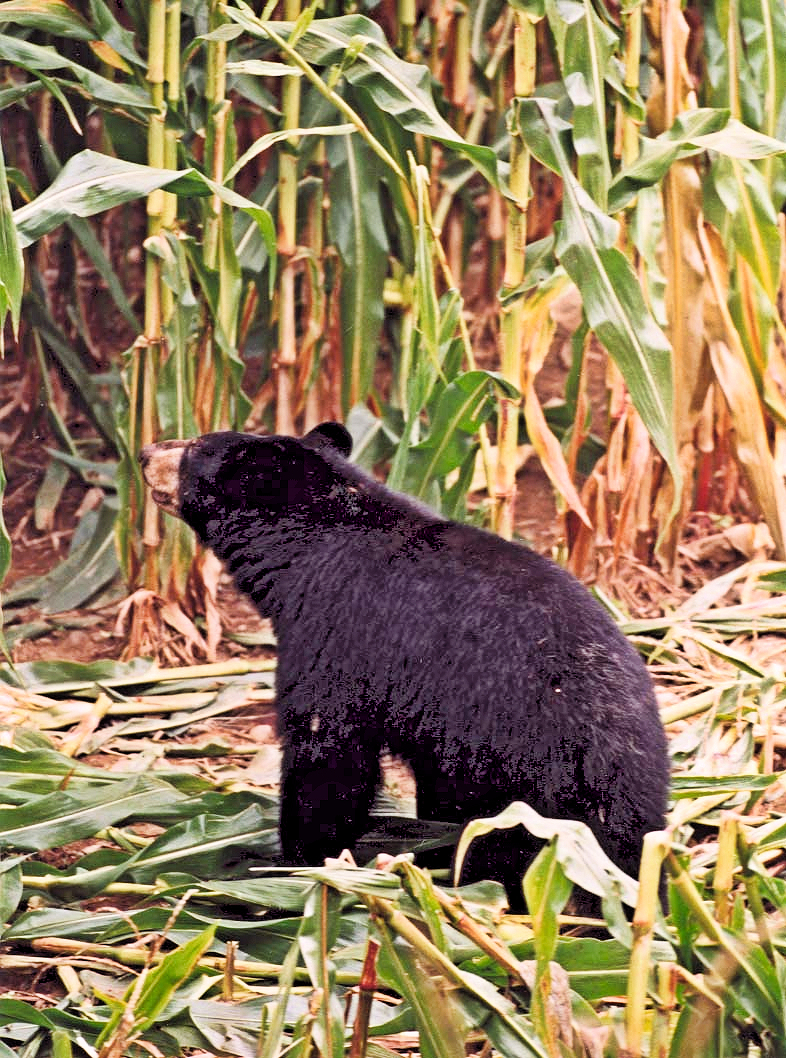
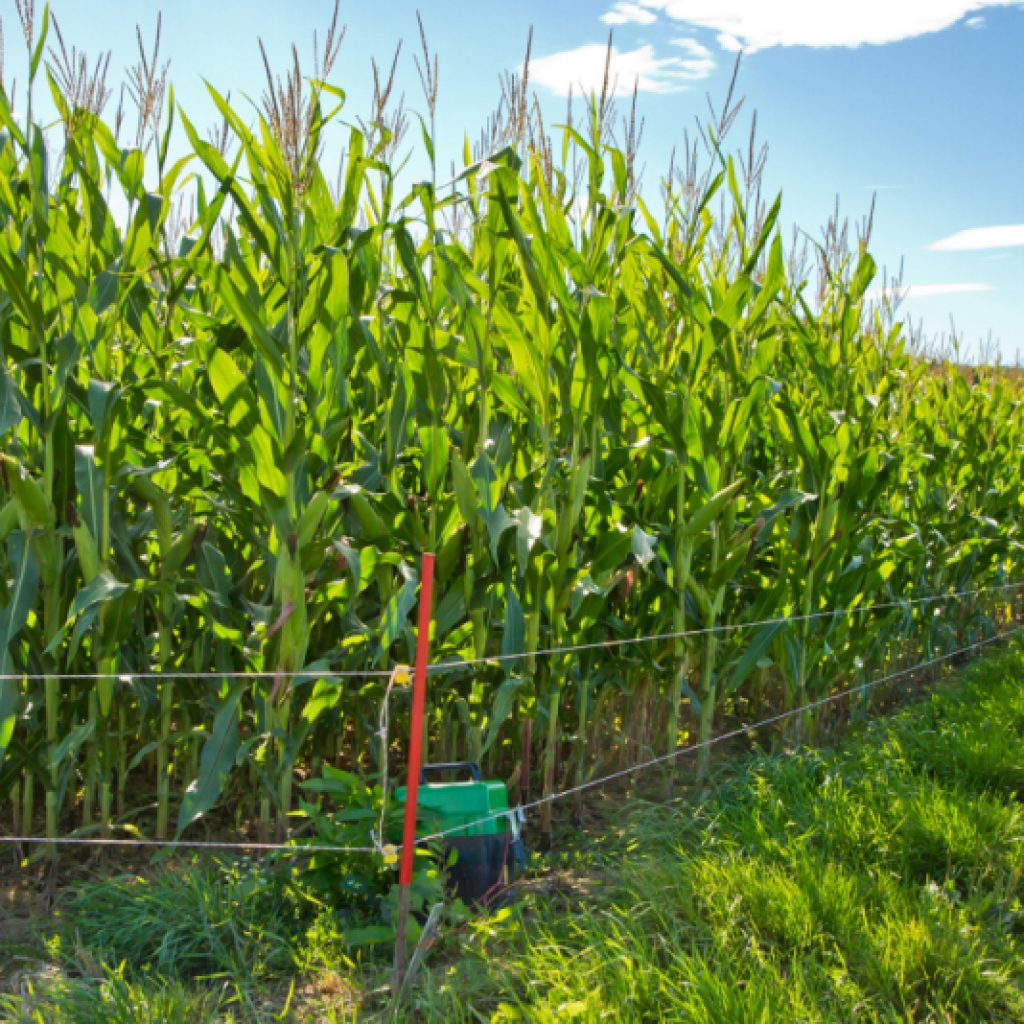
Field crops, such as corn and oats, may attract bears that can wreak havoc on the crops. The inner bark of young trees can even attract young bears.
Prevention
Plant vulnerable crops away from forest or shrub cover, or remove protective cover from a radius of 50 yards around the crops.
Make sure you pick your tree fruit as soon or even before the fruit is ripe.
Pick up and remove fallen fruit that makes an easy meal for bears.
Deterrents
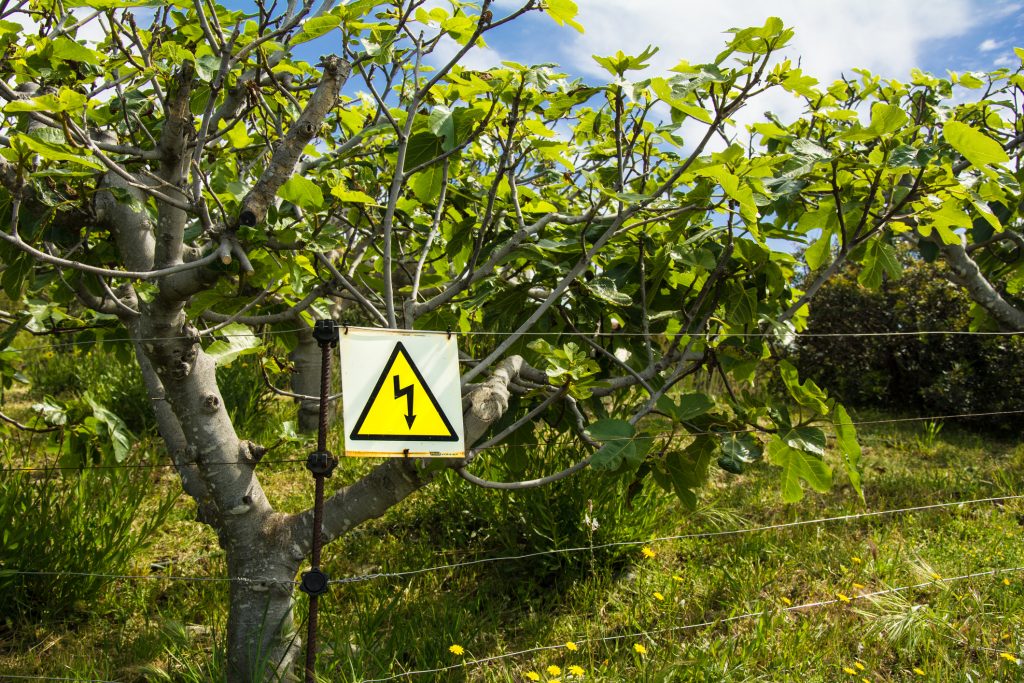
The deterrents for crops include electric fencing, guard animals and scare devices.
Visit the Keep Bears Out page for information.