
Be BearWise when hunting
where bears also roam
where bears also roam
Bear Safety Tips
For Hunters
Chance Encounters with Bears While Hunting
Always be aware of bears while hunting
and take precautions for your safety
Hunters have a higher chance than hikers of meeting up with a black bear in the fall or spring. Hunters tend to move through dense timber, along trails, and in other areas frequented by bears. To add to the potential for encounters, hunters move quietly, downwind from game, and often travel during the same early morning and late evening hours when bears are most active.
Encounters with bears
Follow the precautions listed in Bear Encounters and Hiking and Camping. Unnecessary killing of black bears affects their local populations, and may result in more restrictive hunting privileges in the future.
Carry Bear Spray & Know How To Use It
 Keep bear spray accessible; it’s proven to be the easiest and most effective way to deter a bear that threatens you. It doesn’t work like bug repellent, so never spray your tent, campsite or belongings. Learn more about bear spray.
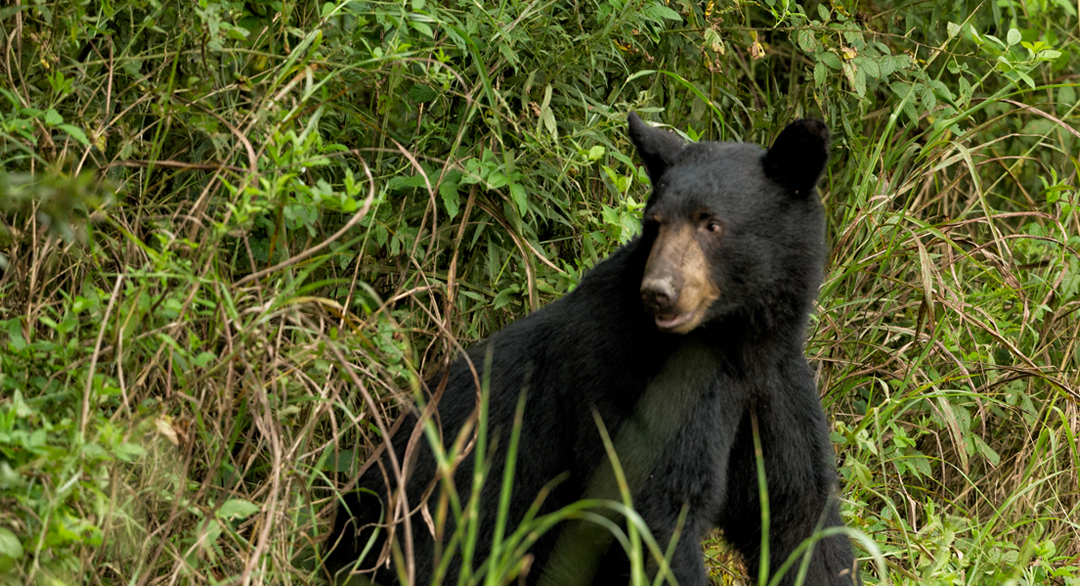
Don’t let a bear get too close before yelling, waving your hands, and banging a stick or other handy item.
Keep a Clean Camp
Avoid attracting and rewarding a bear with food. All food and beverages, including canned food, garbage, pet food, and scented toiletries are bear attractants.
The IGBC list of Bear-Resistant Products is a good place to look for containers that keep bears out, even if you’re not in camp.
Carcasses and bears
When a hunt is successful, the resulting carcasses or gut piles can attract hungry bears trying to build body fat before winter hibernation. Be aware that a bear may occasionally claim a deer carcass before a hunter can recover and transport it out of the woods. If so, let the bear have the meat and leave the area immediately! Do not risk your safety.
Tree Stands and Curious Bears
Aggression or Curiosity?
If you’re up in a tree stand, bears may come by and investigate. Don’t confuse curiosity with aggression. A bear’s inquisitiveness drives it to inspect deer stands, ATVs, trucks, and all manner of equipment.
- If you’re in your stand, yell at the bear and let the bear know you are there before it gets close to your stand. Wave your hands and make a banging noise to let the bear know you are a human to be avoided.
- Please don’t video the bear as it gets closer and closer to you. This puts you and the bear at risk.
- You especially don’t want cubs to climb your tree if their mother gets upset at your close presence. Make noise when she is far away and her cubs will climb a tree that you’re not in!
“When a hunter in a stand watches a bear approach, their fear is the bear is tracking them to attack them, when in reality the bear is just tracking this foreign smell in his environment. Don’t confuse curiosity with aggression.”
Maria Davidson, Large Carnivore Program Manager
Louisiana Dept. of Wildlife and Fisheries Fisheries
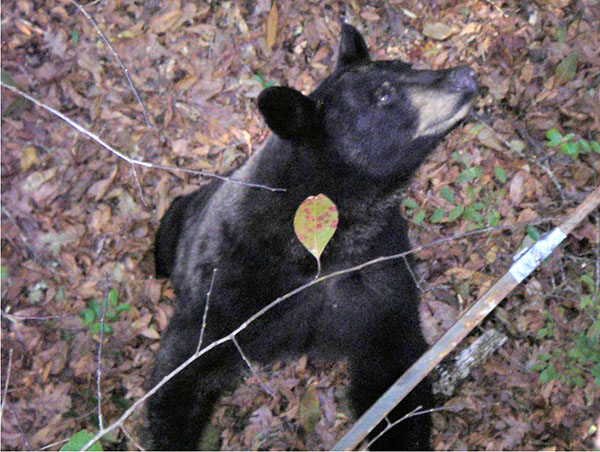
Wildlife Feeders Attract Bears
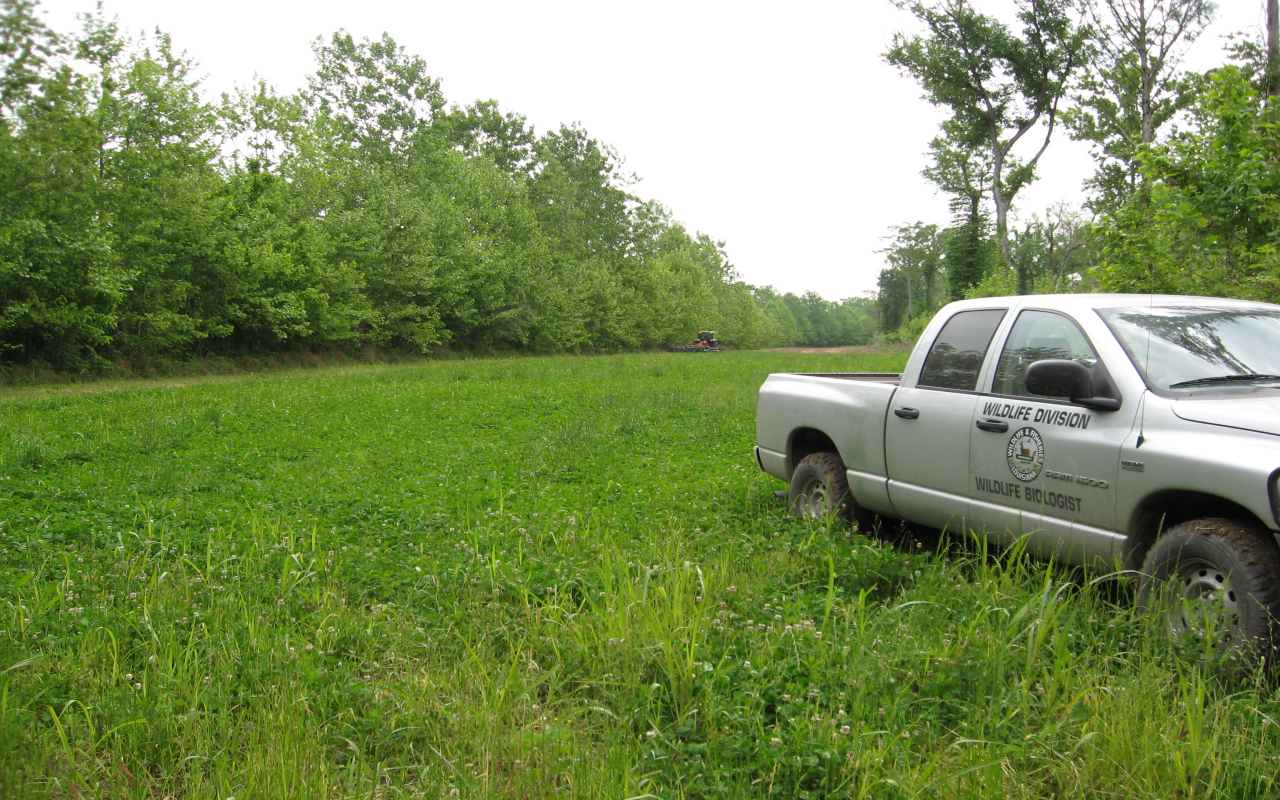
Is Supplemental Wildlife Feeding legal in your state?
Read your local regulations or contact your state’s fish and game agency before feeding wildlife, especially deer. If supplemental wildlife feeding is legal and you choose to feed deer, you may have the following consequences:
- If you dump feed on the ground there is no way to keep many types of wildlife, including bears, from eating it.
- Bears can destroy standard deer feeders.
- Deer feeders will attract bears to your home, cabin or camp.
Without deterrents or barriers, bears may investigate your home, cabin or camp, causing damage as they explore. Your other hunting equipment will be at risk. To reduce the attraction of feed, consider establishing a food plot or use an automatic feeder placed out of the bear’s reach. Bears are powerful, agile, and resourceful!
Not all states have black bear hunting seasons. For more information, please contact your state wildlife agency.